
Freelance Writing Rate Calculator Tool: Price Your Work Right
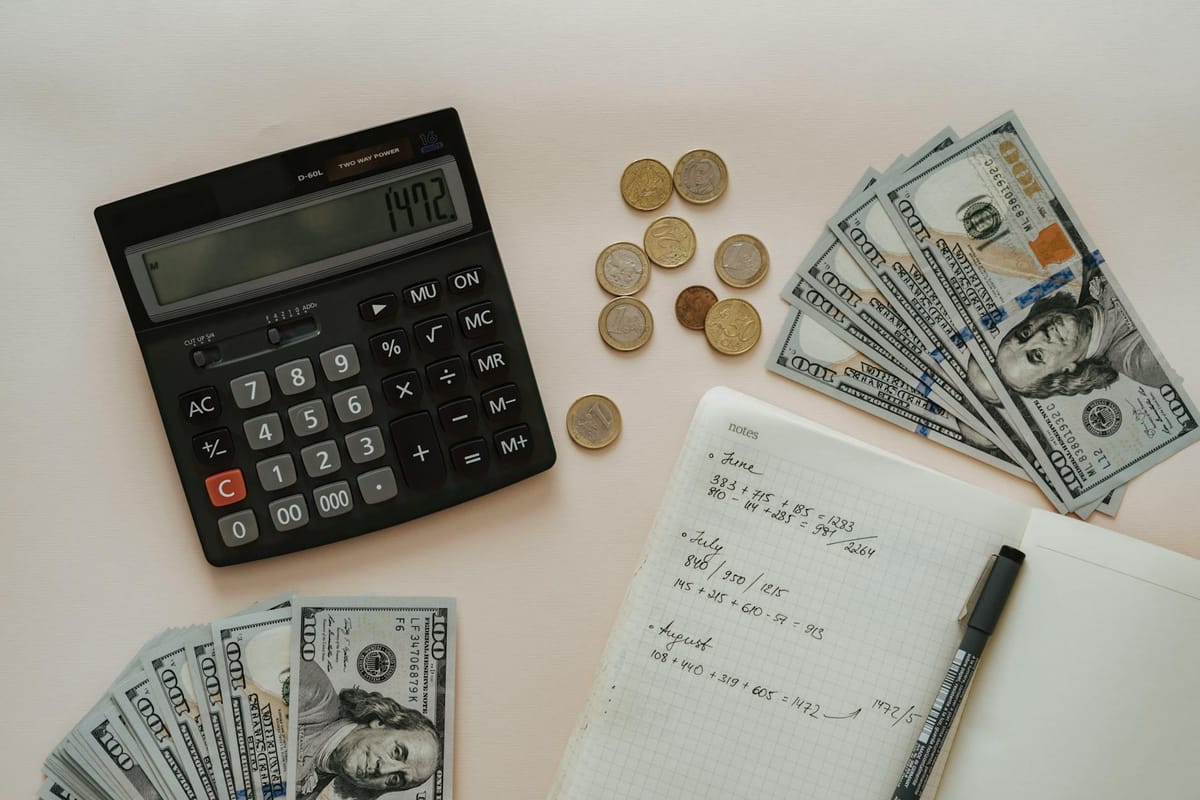
Setting the right rates as a freelance writer can make or break your business. Too low, and you'll burn out working endless hours for peanuts. Too high, and clients disappear faster than free donuts at a conference. A freelance writing rate calculator tool takes the guesswork out of pricing, helping you find that sweet spot where you earn what you're worth while staying competitive.
Most freelance writers struggle with pricing because they don't have a systematic approach. They either copy what other writers charge or make emotional decisions based on desperation or overconfidence. Smart writers use data-driven tools to calculate rates that reflect their skills, experience, and market value.
Understanding Different Freelance Writing Rate Structures
Before diving into calculator tools, you need to understand the three main pricing models freelance writers use. Each has advantages and works better for different types of projects and client relationships.
Hourly rates work best for ongoing projects where scope might change. You track your time and bill accordingly. This model protects you from scope creep but requires detailed time tracking. Most freelance writing rate calculator tools start with hourly calculations as the foundation.
Per-word pricing is common for blog posts, articles, and web copy. Clients know exactly what they'll pay upfront, and you can estimate earnings quickly. However, research-heavy topics or multiple revisions can hurt your effective hourly rate.
Project-based pricing lets you charge for value rather than time. Once you know how long projects typically take, you can quote flat fees that often result in higher earnings than hourly rates. This approach requires experience to estimate accurately.
Essential Factors Every Rate Calculator Should Include
A comprehensive freelance writing rate calculator tool considers multiple variables that affect your pricing. Understanding these factors helps you choose the right calculator and input accurate information.
Experience level dramatically impacts rates. Beginning writers might start at $15-25 per hour, while seasoned professionals command $75-150+ per hour. Most calculators adjust base rates based on years of experience or portfolio quality.
Industry specialization can double or triple your rates. Technical writing, finance, healthcare, and legal content pay premium rates because they require specialized knowledge. General lifestyle or entertainment writing typically pays less.
Your geographic location affects local market rates, though remote work has somewhat leveled the playing field. Writers in major metropolitan areas often charge more than those in rural areas, but online platforms create global competition.
Project complexity should increase your rates. Research-intensive pieces, tight deadlines, multiple stakeholders, or technical subjects justify higher pricing. Simple blog posts require less time and expertise than white papers or case studies.
Business Expenses and Overhead
Many writers forget to factor in business costs when calculating rates. A good rate calculator includes expenses like:
• Software subscriptions (Grammarly, project management tools)
• Internet and phone bills
• Health insurance and retirement savings
• Taxes (self-employment tax adds 15.3%)
• Professional development and training
These expenses can add 25-40% to your needed hourly rate just to break even.
Top Freelance Writing Rate Calculator Tools
Several online tools help freelance writers calculate appropriate rates. Each has different features and approaches to rate calculation.
The Freelancer's Union Rate Calculator focuses on hourly rates and includes fields for experience, location, and desired annual income. It automatically factors in business expenses, taxes, and vacation time to show your minimum viable rate.
Contently's Freelance Rate Database combines a calculator with real market data from their platform. You can see what writers with similar experience charge for different types of content, making it easier to benchmark your rates.
All Freelance Writing's Rate Calculator specializes in per-word and per-project pricing. It includes industry-specific multipliers and helps convert between different pricing models.
For DIY calculations, create a simple spreadsheet that includes your desired annual income, working hours, expenses, and taxes. This freelance writing rate calculator tool approach gives you complete control over variables and assumptions.
Using Market Research to Validate Calculator Results
Calculator results provide a starting point, but market research validates whether your rates are realistic. Check job boards, freelance platforms, and industry surveys to see current market rates.
Join freelance writing groups on Facebook, LinkedIn, or Discord where writers share rate information. Many writers are surprisingly open about their pricing, especially in supportive communities.
Review competitor websites and portfolios. While many writers don't publish rates publicly, some include pricing pages or case studies that hint at their fee structures.
Strategies for Implementing Your Calculated Rates
Having the right rate is only half the battle. You need strategies to actually charge and collect these rates from clients.
Start with confidence when quoting your calculated rates. Hesitation or excessive justification signals that even you don't believe your rates are fair. State your prices clearly and move to discussing project details.
Create rate tiers for different service levels. Your basic blog post rate might be lower than your premium package that includes research, SEO optimization, and social media snippets. This gives clients options while protecting your time.
Grandfather existing clients gradually if your new rates are significantly higher. Sudden rate jumps can shock long-term clients, but you can implement increases over 2-3 projects or at contract renewal time.
Use your freelance writing rate calculator tool results to create professional rate sheets or pricing guides. Having documented rates makes you appear more professional and reduces negotiation pressure.
Handling Rate Objections
When clients push back on your calculated rates, have responses ready. Focus on value rather than defending your pricing formula.
"My rates reflect the quality and results you'll receive. Let me show you some examples of how my writing has helped similar businesses increase their leads."
If budget is genuinely tight, offer to reduce scope rather than rates. "I understand budget constraints. We could start with three blog posts monthly instead of five, keeping the same quality standards."
Advanced Rate Calculation Strategies
Once you've mastered basic rate calculation, consider advanced strategies that can significantly boost your income.
Value-based pricing charges based on the client's potential return rather than your time investment. A sales page that generates $100,000 in revenue justifies much higher rates than the hours invested might suggest.
Retainer pricing provides steady income while often commanding premium rates. Clients pay monthly fees for guaranteed access to your services, providing them priority scheduling and you predictable cash flow.
Rush fees and premium services can add 25-50% to your base rates. Same-day turnarounds, weekend work, or holiday deadlines justify significant rate increases.
Consider performance bonuses for results-driven content. Blog posts that achieve specific traffic goals or email campaigns that hit conversion targets can earn bonus payments on top of base rates.
Frequently Asked Questions
How often should I recalculate my freelance writing rates?
Review your rates quarterly and adjust annually or when you gain significant experience. Major life changes, new specializations, or market shifts might trigger more frequent updates. Your freelance writing rate calculator tool should reflect current expenses and income goals.
Should my rates be the same for all clients?
Base rates can be consistent, but adjust for project complexity, client demands, and payment terms. Long-term clients who pay quickly might get slight discounts, while difficult clients or rush jobs should pay premiums.
What's the difference between freelance writing rates for agencies vs direct clients?
Agencies typically pay 30-50% less than direct clients because they're reselling your services. However, they often provide steady work and handle client management, which can justify lower rates for the convenience and volume.
How do I calculate rates for content types I've never written before?
Research similar content types and estimate time investment based on complexity. Start with your base hourly rate and add 20-30% for the learning curve. As you gain experience with new content types, you can optimize pricing.
Should I include revisions in my calculated rates?
Include one round of reasonable revisions in your base rate, then charge extra for additional changes. Define "reasonable" clearly in your contracts to avoid scope creep that undermines your calculated rates.
How do I handle clients who want to negotiate my calculated rates?
Stand firm on rates that reflect your value, but be willing to adjust scope. Offer package deals, longer payment terms, or reduced deliverables rather than cutting your hourly value. Remember that clients who pressure you on price often become problematic in other ways.
Taking Action on Your Rate Calculations
A freelance writing rate calculator tool only helps if you actually use the results. Many writers calculate fair rates but continue accepting low-paying work out of fear or habit.
Start implementing your calculated rates with new clients immediately. For existing relationships, plan rate increases over the next 2-3 months. Create a simple tracking system to monitor which rates work best for different client types and project categories.
Remember that pricing is a skill that improves with practice. Your first rate calculations might feel uncomfortable, but confidence grows as you see the results. Higher rates often lead to better clients who value quality work and professional relationships. According to the Bureau of Labor Statistics, the median annual wage for writers and authors was $69,510 in 2022, which can help you benchmark your target income goals.
Ready to stop undercharging for your writing skills? Use these rate calculation strategies to build a sustainable freelance business that pays what you're actually worth. Whether you're exploring flexible work from home opportunities or looking to establish careers with residual income, proper rate calculation is the foundation of any successful freelance writing career.
Gigs Money Tips
Financial Planning tips for Gig Economy Workers.