Freelancer Quarterly Tax Payment Schedule Guide 2024
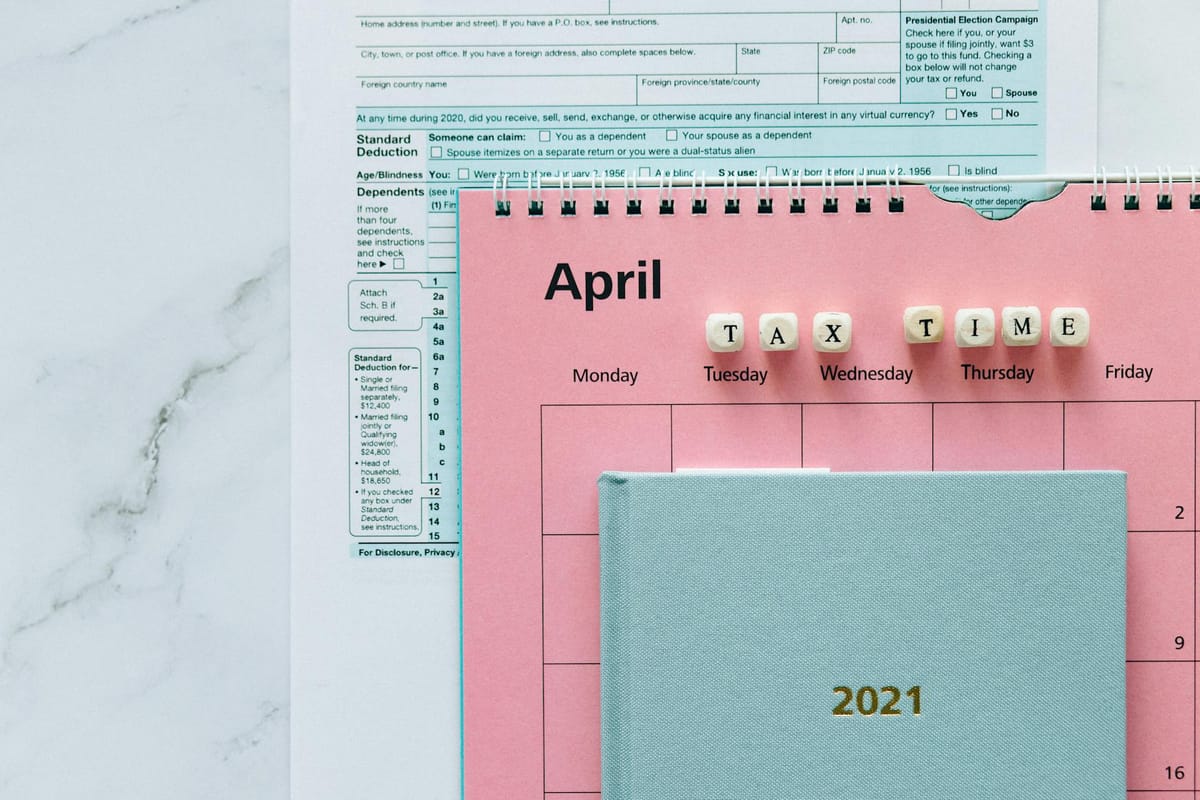
Missing a quarterly tax payment as a freelancer can cost you hundreds or even thousands in penalties. Unlike traditional employees who have taxes automatically deducted from their paychecks, freelancers must take charge of their own tax obligations throughout the year.
The freelancer quarterly tax payment schedule is your roadmap to staying compliant with the IRS while managing your cash flow effectively. This system prevents you from facing a massive tax bill come April and helps you avoid costly underpayment penalties.
Let's dive into everything you need to know about quarterly tax payments, from calculating your obligations to timing your payments perfectly.
Understanding Quarterly Tax Payments for Freelancers
Quarterly tax payments, officially called estimated tax payments, are advance payments you make on your annual tax liability. The IRS requires these payments when you expect to owe $1,000 or more in taxes for the year after subtracting withholdings and credits.
As a freelancer, you're essentially running a small business. This means you're responsible for both the employee and employer portions of Social Security and Medicare taxes, known as self-employment tax. The combined rate is 15.3% on your net earnings from self-employment.
The quarterly system exists because the U.S. tax system operates on a pay-as-you-go basis. The government expects to receive tax payments throughout the year, not just in one lump sum at tax time.
Most freelancers who earn more than $600 from any single client will receive Form 1099-NEC, but you're still required to report and pay taxes on all freelance income, regardless of whether you receive tax forms.
2024 Quarterly Tax Payment Due Dates
The freelancer quarterly tax payment schedule follows specific deadlines that don't align perfectly with calendar quarters. Missing these dates can trigger penalties, so mark them clearly in your calendar:
Q1 Payment (January-March income): Due April 15, 2024
Q2 Payment (April-May income): Due June 17, 2024
Q3 Payment (June-August income): Due September 16, 2024
Q4 Payment (September-December income): Due January 15, 2025
Notice that the second quarter only covers two months, while the fourth quarter covers four months. This uneven distribution is important when calculating your payments.
If a due date falls on a weekend or federal holiday, the deadline extends to the next business day. Always double-check current year dates on the IRS website, as they occasionally shift due to holidays.
How to Calculate Your Quarterly Tax Payments
Calculating your quarterly payments requires estimating your annual income and tax liability. Here's a step-by-step approach:
Method 1: Safe Harbor Rule
The simplest method uses the safe harbor rule. Pay 100% of last year's tax liability (110% if your prior year AGI exceeded $150,000) divided by four quarters. This protects you from underpayment penalties, even if you end up owing more.
For example, if you owed $4,000 in taxes last year, pay $1,000 per quarter ($4,000 ÷ 4). If your income was over $150,000, pay $1,100 per quarter ($4,400 ÷ 4).
Method 2: Current Year Estimation
Estimate your current year's tax liability and divide by four. This method works well if your income is relatively stable, but requires more calculation:
1. Estimate gross freelance income for the year
2. Subtract business deductions (home office, equipment, etc.)
3. Calculate self-employment tax (15.3% of net earnings)
4. Calculate income tax using current tax brackets
5. Divide total by four for quarterly amounts
Quarterly Payment Worksheet
The IRS provides Form 1040ES with a worksheet to help calculate payments. This form includes current tax brackets and standard deductions, making calculations more accurate.
Many freelancers benefit from using tax software or consulting with a tax professional, especially in their first year of quarterly payments.
Payment Methods and Best Practices
The IRS offers several convenient ways to make quarterly payments:
Electronic Options
IRS Direct Pay: Free bank transfer directly from your checking or savings account. Payments process within 1-2 business days.
Electronic Federal Tax Payment System (EFTPS): Free government system requiring registration. Ideal for recurring payments.
Third-party payment processors: Credit card or debit card payments through approved vendors. Convenience fees apply, typically 1.87-1.99% of the payment amount.
Traditional Methods
You can still mail checks with Form 1040ES vouchers, but electronic payments offer better tracking and faster processing.
Timing Your Payments
Pay early in high-income quarters if your income fluctuates significantly. This helps smooth out cash flow and ensures you're never scrambling to meet deadlines.
Set up automatic transfers to a dedicated tax savings account. Transfer 25-30% of each payment you receive to cover quarterly obligations and build a buffer.
Consider making payments slightly early in the quarter to account for processing time and avoid last-minute stress.
Strategies for Irregular Income
Freelancer income rarely arrives in neat quarterly chunks. Here are strategies to manage irregular income within the quarterly payment system:
Annualized Income Installment Method
This IRS-approved method lets you calculate payments based on actual income for each period rather than estimated annual income. Use Form 2210 Schedule AI to calculate these payments.
This method works particularly well for seasonal freelancers or those with project-based income that varies dramatically throughout the year.
Building a Tax Reserve
Create a separate savings account specifically for taxes. Transfer a percentage of every payment you receive – typically 25-30% for most freelancers.
This approach ensures you always have funds available for quarterly payments, regardless of when income arrives.
Quarterly Income Smoothing
If you have some predictable income streams, use those as your baseline for quarterly payments. Make additional payments in high-income quarters using Form 1040ES or through your preferred electronic method.
Common Mistakes to Avoid
Underestimating income growth: If your freelance business is expanding, last year's safe harbor amount might leave you with a large balance due in April.
Forgetting about state taxes: Most states with income taxes also require quarterly payments. Check your state's requirements and deadlines.
Missing the December 31st rule: If you make your fourth quarter payment by December 31st instead of January 15th, you might avoid underpayment penalties even if you're slightly short.
Not keeping records: Save confirmation numbers and payment receipts for all quarterly payments. These serve as proof of payment if questions arise.
Frequently Asked Questions
What happens if I miss a quarterly tax payment deadline?
Missing a deadline triggers underpayment penalties calculated from the due date until you make the payment. The penalty rate changes quarterly but typically ranges from 3-8% annually. You'll owe penalties even if you're due a refund when filing your annual return.
Can I make unequal quarterly payments throughout the year?
Yes, you can make unequal payments using the annualized income installment method. This works well for freelancers with seasonal income patterns. You'll need to file Form 2210 Schedule AI with your tax return to justify the unequal payments.
Do I need to make quarterly payments in my first year of freelancing?
You're required to make quarterly payments if you expect to owe $1,000 or more in taxes for the current year. Since you had no prior year tax liability, you can't use the safe harbor rule. Estimate your current year liability and make payments accordingly.
What if I overestimate my income and pay too much in quarterly taxes?
Overpaying quarterly taxes results in a larger refund when you file your annual return. While you won't earn interest on overpayments, there's no penalty for paying too much. You can apply overpayments to next year's estimated taxes.
Can I adjust my quarterly payments if my income changes significantly?
Absolutely. Recalculate your estimated annual income and adjust remaining quarterly payments accordingly. If your income drops significantly, you might reduce future payments. If it increases, consider making additional payments to avoid underpayment penalties.
Are quarterly tax payments required for all types of freelance income?
Quarterly payments are required when you expect to owe $1,000 or more in taxes from all sources, including freelance work, rental income, investment gains, and other non-wage income. The requirement applies to your total tax liability, not just freelance income.
Take Control of Your Tax Obligations
Managing your freelancer quarterly tax payment schedule doesn't have to be overwhelming. Start by choosing a calculation method that fits your income pattern, set up a dedicated tax savings account, and mark payment deadlines in your calendar.
Remember that staying current with quarterly payments protects you from penalties and helps manage cash flow throughout the year. The key is developing a system that works with your unique income pattern and sticking to it consistently.
Consider working with a tax professional in your first year to ensure you're calculating payments correctly and taking advantage of all available deductions. The investment in professional guidance often pays for itself through proper planning and penalty avoidance.
Ready to streamline your freelance finances? Many freelancers also explore careers with residual income to create more predictable cash flow alongside their project-based work. Additionally, if you're looking to diversify your income streams, consider easy part-time remote work opportunities that can provide steady supplemental income while you build your freelance business.
Gigs Money Tips
Financial Planning tips for Gig Economy Workers.