Scale Delivery Business With Helpers in 2026
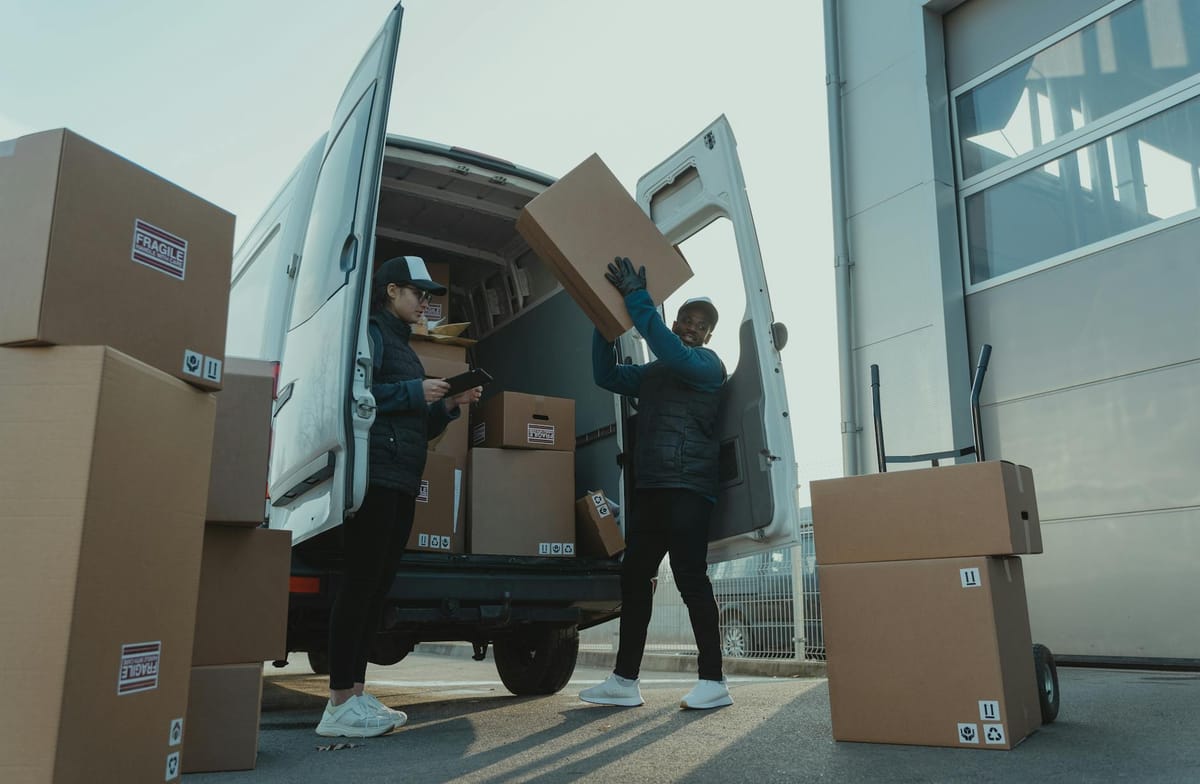
Want to earn more without handling every delivery yourself? The short answer: build a repeatable system, hire the right support, and protect your margins as you grow. When you scale delivery business with helpers, you increase capacity, reduce burnout, and make your operation less dependent on your own hours.
This guide walks you through exactly how to scale a delivery business with helpers in 2026 — from your first hire to route planning, pay structures, legal basics, and keeping service quality high as you grow.
Build a Strong Base Before You Add Helpers
The fastest way to create expensive problems is to hire before your process works. To scale delivery business with helpers successfully, your current model should already be organized, profitable, and easy to repeat.
Know Your Numbers First
Before you bring anyone on, track your average revenue per delivery, fuel, tolls, parking, insurance, and time per route. You need to know your real margin — not just your gross income.
If one delivery barely makes money when you do it alone, adding helpers can shrink your profit even faster. Fix the numbers before you scale.
Document Your Delivery Workflow
Write down each step of the job so someone else can follow it without guessing. A clear process makes training faster and delivers a consistent customer experience.
- How orders come in
- How customers confirm details
- How pickups are handled
- What message gets sent at drop-off
- How delays and customer issues are resolved
Find Your Bottleneck
Most small operators hit one main limit before they can grow. Once you identify it, you can add help where it creates the biggest return.
- Running out of hours in the day
- Declining orders because routes are too spread out
- Missing peak demand windows
- Customer service slipping when things get busy
Choose the Right Helper Model for Your Delivery Business
There is no one-size-fits-all setup. The best model depends on your volume, your service area, and how hands-on you want to be in daily operations.
Driver Helpers
If your biggest problem is limited delivery capacity, adding another driver is often the clearest move. This helps you cover more territory, accept more orders, or serve more repeat clients.
For many owner-operators, this is the most direct path to scale a delivery business with helpers and grow route income without working longer hours.
Dispatch or Admin Helpers
Not every helper needs to be on the road. A part-time dispatcher or virtual assistant can handle customer texts, route planning, order entry, and issue follow-up.
That frees you to focus on deliveries, sales, and client relationships — the work that actually grows revenue.
Prep or Sorting Helpers
If your operation includes package sorting, grocery batching, or catering prep, behind-the-scenes help may improve route speed more than adding another driver.
Sometimes the best way to grow a delivery operation is to remove delays before the route even starts.
Employee vs. Independent Contractor
This choice matters more than most new operators realize. Classification rules vary by state and city, so do not rely on guesswork; see the official IRS guidance on worker classification. If you control schedules, pricing, uniforms, and exact work methods, an employee model may be required. If the helper works independently, contractor status may apply.
Check with a local CPA or labor attorney before you decide. A misclassification mistake can lead to penalties, back taxes, or insurance gaps — and it's smart to review quarterly tax and penalty avoidance strategies before you expand: Freelancer Quarterly Tax Penalty Avoidance Guide.
Set Up Pay, Routes, and Systems That Protect Profit
If you want to scale delivery business with helpers and keep more of what you earn, your systems need to stay simple, measurable, and profitable from day one.
Create a Clear Pay Structure
Common ways to pay delivery helpers include:
- Per delivery
- Hourly pay
- Base pay plus performance bonuses
- Revenue share on route income
Each model has trade-offs. Per-delivery pay can reward speed but may lead to rushed service. Hourly pay is easy to manage but requires watching downtime. Bonuses tied to on-time rates or low complaint levels can align incentives well.
Always calculate your break-even point before you commit to any pay rate.
Price Deliveries With Labor Built In
Many solo drivers undercharge because they price work based on what feels right when they do every job themselves. That model breaks down once labor enters the picture.
Your delivery pricing should cover:
- Labor cost
- Payroll taxes or contractor payments
- Insurance increases
- Routing or dispatch software
- Vehicle wear and tear
- Your management time
- Target profit margin
To scale delivery business with helpers profitably, each route needs to support the full business — not just cover fuel for the day.
Use Route Planning Tools
Once multiple people are involved, poor routing can erase profit fast. Use routing software or delivery management tools to group stops by area, improve ETAs, and cut backtracking.
If you are still small, a shared spreadsheet, map app, and group chat can work at first. The key is consistency, not complexity.
Set Clear Communication Rules
Your helpers should know what to handle on their own and when to escalate to you. Create simple scripts or response rules for common situations:
- Late pickups
- Customer not available at drop-off
- Wrong address
- Damaged items
- Payment issues
This keeps the customer experience consistent even when you are not the one making the delivery.
Train Helpers to Deliver a Consistent Customer Experience
The biggest risk when you scale delivery business with helpers is not the hiring itself — it is losing the reliability that earned customer trust in the first place.
Train for Reliability, Not Just Speed
Fast delivery matters, but accuracy and communication matter more. Customers remember clear updates, careful handling, and showing up when promised.
Train every helper on:
- How to greet customers professionally
- How to confirm order details before leaving
- How to handle fragile or temperature-sensitive items
- Photo proof of delivery procedures
- What to do when something goes wrong
Use a Simple Pre-Route Checklist
A one-page checklist prevents costly mistakes. Include vehicle readiness, order verification, customer notes, contact steps, and end-of-shift reporting.
Simple checklists make service more consistent and reduce the need for you to supervise every detail.
Review Performance Every Week
You do not need a complex dashboard to start. Track a few high-value metrics:
- On-time delivery rate
- Average revenue per route
- Customer complaints
- Missed or failed deliveries
- Fuel cost per mile
These numbers show whether your delivery team is improving results or quietly adding hidden costs.
Start With One Helper, Then Expand
Many operators grow too fast and create cash flow problems. Add one helper, improve the system, then expand again only if the numbers still work. If overflow demand is predictable, consider bringing on subcontractors for overflow work and follow best practices for hiring them: How to Hire Subcontractors for Overflow Work.
If your goal is to scale delivery business with helpers sustainably, slow and steady growth is more stable than rapid hiring — especially in the first year of expansion.
Handle Legal, Insurance, and Tax Basics Early
Growth feels exciting until one claim, accident, or tax problem wipes out months of progress. Tighten the business side of your operation before you bring on any helper.
Review Your Insurance Coverage
Personal auto coverage may not fully protect business delivery activity — especially if other people drive for your operation. Ask your insurer whether you need commercial auto, hired and non-owned auto coverage, or general liability.
Make sure the right coverage is in place before a helper starts their first route.
Use Written Agreements
If you use contractors, have a written contract. If you hire employees, use offer letters, clear policies, and documented role expectations. Written agreements reduce confusion and make standards easier to enforce.
Keep Clean Financial Records
Once helpers are involved, bookkeeping becomes more important. Track:
- Payments to helpers
- Mileage and vehicle expenses
- Insurance premiums
- Software subscriptions
- Client invoices and deposits
- Payroll or contractor tax forms
A separate business bank account saves time and makes tax prep significantly easier at year end.
Think Like an Operator, Not Only a Driver
When you work solo, you focus on earnings per hour. When you scale delivery business with helpers, your role shifts toward pricing, operations, customer retention, and profit planning.
You are not just delivering orders anymore. You are building a system that can deliver without you doing every step. That shift in mindset is what separates a busy solo driver from a growing delivery business.
FAQ: Scale Delivery Business With Helpers
Can I scale delivery business with helpers as a solo owner-operator?
Yes. Many small delivery businesses start with one owner and one part-time helper. The key ingredients are enough order volume, clear documented systems, and pricing that covers labor and overhead before you hire.
What is the best first hire for a small delivery business?
It depends on your bottleneck. If you are turning down deliveries, add a driver first. If scheduling and customer messages are slowing you down, an admin or dispatch helper may create more immediate value.
How do I pay helpers and still stay profitable?
Start with your true profit per delivery. Then set pricing that covers labor, taxes, insurance, mileage, software, and a profit margin. If the numbers do not work at current rates, improve route efficiency or raise your prices before hiring.
Do I need commercial insurance to add helpers to my delivery business?
Often, yes. If vehicles are used for business deliveries or other people drive for your operation, personal auto policies may not provide adequate coverage. Confirm the right coverage with your insurer before expanding.
Should delivery helpers be employees or independent contractors?
That depends on local rules and how much control you have over the work. Because misclassification can be costly — including back taxes and penalties — confirm the right classification with a CPA or labor attorney before you start paying anyone.
Final Thoughts
If you want to scale delivery business with helpers, the goal is not just completing more orders. The goal is building a delivery operation that earns more, runs smoother, and depends less on you doing every task alone.
Start with your numbers. Tighten your workflow. Add one helper where it solves the biggest problem. Then improve your pricing, training, and route planning as demand grows.
You do not need a large fleet to grow a profitable delivery business. You need a solid system, the right support, and the discipline to expand step by step.
If you are building your delivery income one smart move at a time, keep going. With the right setup, you can turn a busy side hustle into a stronger, more scalable delivery business in 2026.
Gigs Money Tips
Financial Planning tips for Gig Economy Workers.