Side Hustle Income Tax Preparation: Complete Guide 2024

Tax season can feel overwhelming when you're juggling multiple income streams from your side hustles. Whether you're driving for Uber, selling crafts on Etsy, or freelancing as a graphic designer, proper side hustle income tax preparation is crucial for maximizing your refund and avoiding penalties.
The good news? With the right approach, you can turn tax preparation from a stressful nightmare into a strategic advantage. Let's dive into everything you need to know about preparing taxes for your side hustle income.
Understanding Side Hustle Tax Obligations
Your side hustle income creates specific tax obligations that differ from traditional W-2 employment. Any side hustle earning over $400 annually requires tax reporting, regardless of whether you received a 1099 form.
The IRS considers most side hustle activities as self-employment, meaning you'll pay both regular income tax and self-employment tax (15.3%). This covers Social Security and Medicare contributions that employers typically handle.
Common side hustles requiring tax preparation include:
- Rideshare and delivery driving (Uber, DoorDash, Instacart)
- Freelance services (writing, design, consulting)
- Online selling (eBay, Amazon, Etsy)
- Rental income (Airbnb, equipment rentals)
- Gig work (TaskRabbit, Fiverr, Upwork)
Key insight: Even if your side hustle operates at a loss, filing taxes can provide valuable deductions that reduce your overall tax burden.
Essential Tax Forms for Side Hustlers
Navigating side hustle income tax preparation requires understanding which forms apply to your situation. Here are the most important ones:
Schedule C (Profit or Loss from Business)
Schedule C is your primary form for reporting side hustle income and expenses. This form allows you to deduct legitimate business expenses, potentially saving hundreds or thousands in taxes.
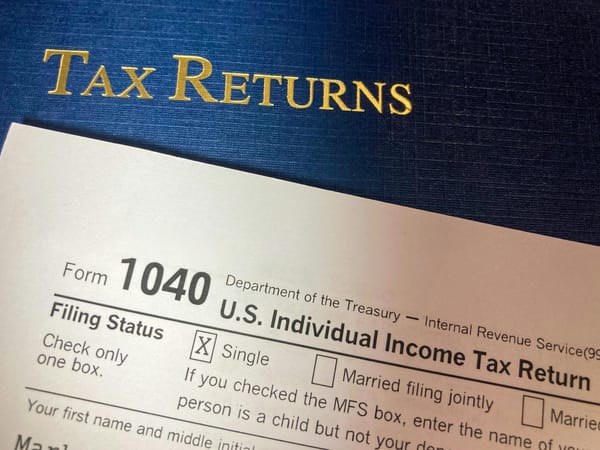
You'll report gross income, subtract business expenses, and calculate your net profit or loss. This net amount transfers to your main tax return (Form 1040).
Schedule SE (Self-Employment Tax)
When your side hustle net earnings exceed $400, you'll file Schedule SE to calculate self-employment tax. This 15.3% tax covers Social Security and Medicare contributions.
However, you can deduct half of your self-employment tax as an adjustment to income, reducing your overall tax liability.
Form 1099-NEC and 1099-K
Clients and platforms may send you these forms reporting payments made to you. You must report this income even if you don't receive the forms. Keep detailed records of all payments received throughout the year.
Maximizing Deductions for Side Hustle Income
Strategic deduction planning is where side hustle income tax preparation becomes profitable. The IRS allows deductions for ordinary and necessary business expenses.
Vehicle Expenses
For driving-based side hustles, vehicle expenses often represent your largest deduction opportunity. You can choose between:
Standard mileage rate: 65.5 cents per business mile for 2023 (simple tracking required)
Actual expense method: Deduct the business percentage of total vehicle costs (gas, insurance, repairs, depreciation)
Track every business mile with apps like MileIQ or Everlance for accurate documentation.
Home Office Deduction
If you use part of your home exclusively for business, you can claim the home office deduction. This applies to freelancers, online sellers, and anyone with a dedicated workspace.
Calculate using either the simplified method ($5 per square foot, up to 300 sq ft) or actual expense method (percentage of home expenses).
Equipment and Supplies
Deduct costs for equipment and supplies used in your side hustle:
- Phone and internet bills (business percentage)
- Computer equipment and software
- Professional tools and equipment
- Marketing and advertising expenses
- Professional development and training
Quarterly Estimated Tax Payments
Side hustle income tax preparation isn't just a once-yearly activity. If you expect to owe $1,000 or more in taxes, you must make quarterly estimated payments to avoid penalties.
Calculate quarterly payments using Form 1040ES or online tax calculators. Pay by the 15th of January, April, June, and September (or the next business day if it falls on a weekend).
A safe harbor rule protects you from penalties if you pay 100% of last year's tax liability (110% if your prior year AGI exceeded $150,000).
Setting Aside Tax Money
Create a separate savings account for tax payments. Set aside 25-30% of your side hustle income to cover income tax, self-employment tax, and state taxes.
Automate transfers immediately after receiving payments to avoid spending tax money on other expenses.
Record Keeping Best Practices
Proper documentation makes side hustle income tax preparation smooth and audit-proof. The IRS requires contemporaneous records – meaning you can't recreate them later.
Essential records to maintain:
- Income records (bank deposits, payment platform statements, invoices)
- Expense receipts (digital photos acceptable)
- Mileage logs with dates, destinations, and business purposes
- Bank and credit card statements
- 1099 forms and other tax documents
Use apps like QuickBooks Self-Employed, FreshBooks, or even simple spreadsheets to track income and expenses monthly.
Pro tip: Take photos of receipts immediately and store them in cloud-based folders organized by month and category.
Frequently Asked Questions
Do I need to report side hustle income if I made less than $600?
Yes, you must report all side hustle income regardless of amount. The $600 threshold only determines whether clients must send you a 1099 form. Even $1 of side hustle income is taxable and must be reported on your tax return.
Can I deduct expenses if my side hustle lost money?
Absolutely. Business losses can offset other income on your tax return, potentially reducing your overall tax liability. However, the IRS requires profit motive – you can't intentionally operate at a loss indefinitely just for tax benefits.
When should I consider hiring a tax professional for side hustle taxes?
Consider professional help if you have multiple income streams, complex deductions, earned over $50,000 from side hustles, or feel overwhelmed by tax requirements. A qualified tax professional can often save more in deductions than their fee costs.
What happens if I forget to pay quarterly estimated taxes?
You may owe penalties and interest on the unpaid amount. The penalty depends on how much you underpaid and for how long. You can minimize penalties by paying the shortfall as soon as possible and ensuring accurate payments going forward.
Can I use tax software for side hustle income tax preparation?
Yes, most tax software handles side hustle income well. Look for programs that include Schedule C and self-employment tax calculations. Popular options include TurboTax Self-Employed, H&R Block, and FreeTaxUSA.
How long should I keep side hustle tax records?
Keep tax records for at least three years after filing, or six years if you underreported income by 25% or more. For business asset purchases, keep records until you sell or dispose of the asset plus the applicable retention period.
Take Control of Your Side Hustle Taxes
Mastering side hustle income tax preparation transforms from burden to competitive advantage when you understand the rules and stay organized. Start implementing these strategies today – create your record-keeping system, set up automatic tax savings, and track every deductible expense.
Remember, every dollar you save on taxes is a dollar that stays in your pocket to reinvest in growing your side hustle empire. The time you invest in proper tax preparation pays dividends through reduced tax liability and peace of mind. For those looking to expand their income streams, consider exploring flexible work from home opportunities that can complement your existing side hustles.
Ready to optimize your side hustle taxes? Start by organizing your current year's records and implementing a tracking system for next year. Your future self will thank you when tax season arrives. According to the IRS Self-Employed Tax Center, staying organized and understanding your obligations is key to successful tax compliance. Additionally, if you're earning substantial income from your side hustles, you might want to explore careers with residual income potential to build long-term wealth.
Gigs Money Tips
Financial Planning tips for Gig Economy Workers.