7 Side Hustle Tax Filing Mistakes That Cost You Money
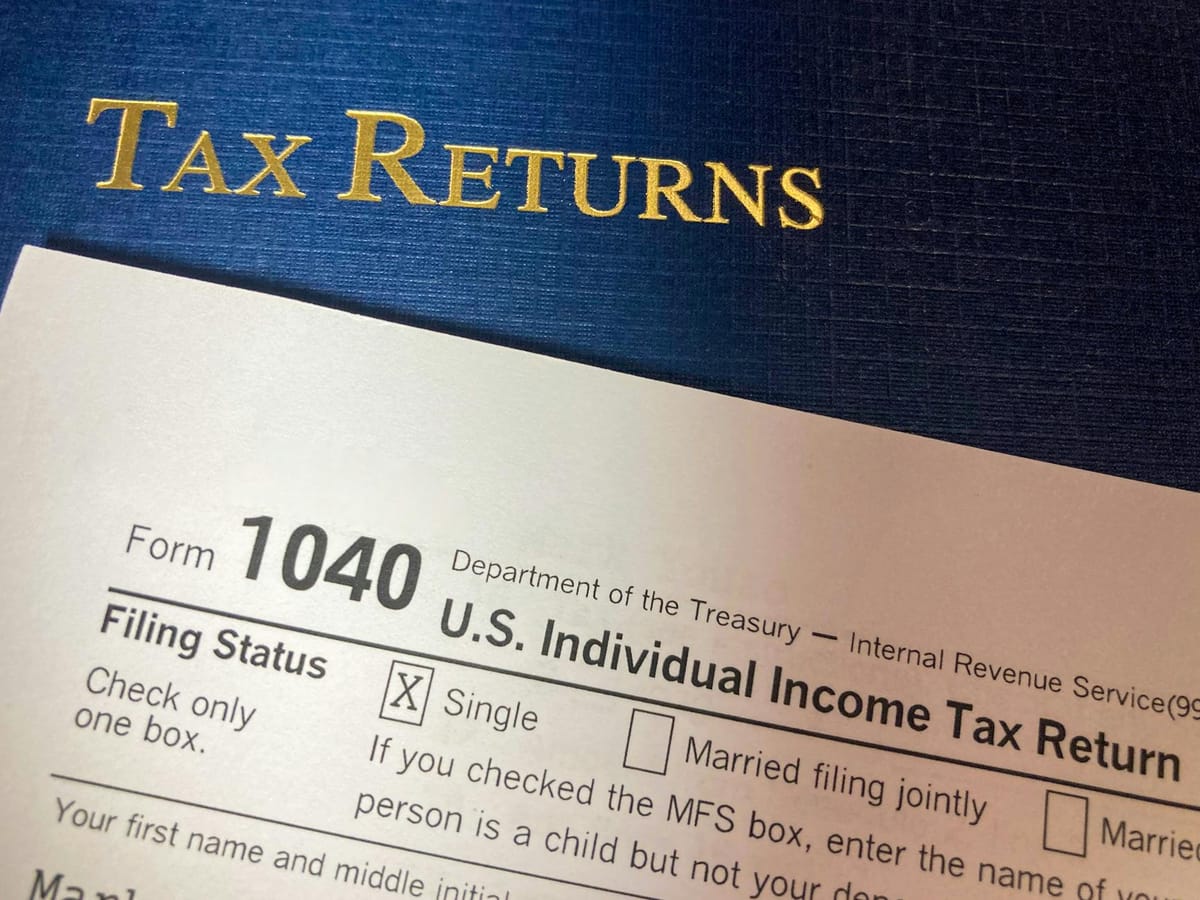
Tax season can feel like navigating a minefield when you're juggling multiple income streams. Last year alone, the IRS processed over 160 million individual tax returns, and gig workers made up a significant portion of those who faced complications. Whether you're driving for Uber, selling on Etsy, or freelancing on weekends, side hustle tax filing mistakes can cost you hundreds or even thousands of dollars.
The good news? Most tax errors are completely preventable once you know what to watch for. From missing deductions to improper income reporting, understanding these common pitfalls will help you keep more money in your pocket and stay on the IRS's good side.
Missing Business Expense Deductions
One of the biggest side hustle tax filing mistakes is leaving money on the table by not claiming legitimate business expenses. Many gig workers don't realize they can deduct costs directly related to earning their side income.
Common deductible expenses include:
- Vehicle expenses for delivery drivers (mileage or actual expenses)
- Home office space for freelancers
- Equipment and supplies (computers, cameras, tools)
- Professional development courses and certifications
- Marketing and advertising costs
- Professional memberships and subscriptions
Track everything throughout the year using apps like MileIQ for driving or a simple spreadsheet for other expenses. The IRS requires documentation, so save receipts and maintain detailed records of business-related purchases.
For home office deductions, you can either use the simplified method ($5 per square foot up to 300 square feet) or calculate actual expenses. The key is that the space must be used exclusively for business purposes.
Improper Income Reporting and 1099 Issues
Mishandling 1099 forms ranks among the most serious side hustle tax filing mistakes. Many gig workers receive multiple 1099-NEC or 1099-K forms from different platforms, and failing to report all income can trigger an audit.
Here's what you need to know:
Report all income, even without a 1099. If you earned over $600 from a client or platform, you should receive a 1099. However, you must report all income regardless of whether you receive the form.
Double-check your 1099s for accuracy. Platforms sometimes make errors in reporting your earnings. If you find mistakes, contact the issuer immediately to request a corrected form.
Don't forget cash payments. Income received in cash, tips, or through payment apps like Venmo still counts as taxable income. Keep detailed records of all earnings sources.
The IRS matches 1099s to your tax return using computer systems. Any discrepancies can result in automated notices, penalties, and interest charges.
Quarterly Tax Payment Oversights
Skipping quarterly estimated tax payments is a costly mistake that catches many side hustlers off guard. Unlike traditional employees who have taxes withheld from paychecks, gig workers are responsible for paying taxes throughout the year.
You generally need to make quarterly payments if you expect to owe $1,000 or more in taxes when you file your return. The due dates are:
- Q1: April 15
- Q2: June 15
- Q3: September 15
- Q4: January 15 (following year)
Calculate payments using Form 1040ES or pay 25% of last year's total tax liability to avoid penalties. Many gig workers use the safe harbor rule: if you pay 100% of last year's tax liability (110% if your prior year AGI exceeded $150,000), you won't face underpayment penalties.
Set aside 25-30% of your side hustle income for taxes. Open a separate savings account specifically for tax payments to avoid spending money you'll owe the IRS.
Self-Employment Tax Confusion
Understanding self-employment tax represents one of the most confusing aspects of side hustle taxation. Many gig workers don't realize they owe an additional 15.3% in self-employment taxes on top of regular income tax.
Self-employment tax covers Social Security (12.4%) and Medicare (2.9%) taxes. As a gig worker, you pay both the employee and employer portions, unlike traditional employees who split this cost with their employer.
The good news: you can deduct half of your self-employment tax when calculating your adjusted gross income. This deduction reduces your overall tax burden.
You owe self-employment tax if your net earnings from self-employment are $400 or more. This threshold is much lower than the $600 threshold for receiving 1099s, so even small side hustles may trigger this requirement.
Use Schedule SE to calculate your self-employment tax. The form walks you through the calculation step by step, ensuring you pay the correct amount.
Record-Keeping and Documentation Failures
Poor record-keeping creates problems that extend far beyond tax season. The IRS can audit returns up to three years after filing, and you'll need documentation to support all deductions and income reporting.
Essential records to maintain include:
- Bank statements showing business income and expenses
- Receipts for all business purchases
- Mileage logs with dates, destinations, and business purposes
- Invoices and contracts from clients
- Credit card statements for business expenses
Go digital whenever possible. Apps like Expensify, Receipt Bank, or even your smartphone camera can help you capture and organize receipts. Cloud storage ensures you won't lose important documents.
Create a simple filing system, whether physical or digital. Separate business and personal expenses clearly. Many successful gig workers use dedicated business bank accounts and credit cards to simplify tracking.
The IRS generally accepts digital records, but they must be legible and contain all necessary information: date, amount, vendor, and business purpose.
What happens if I don't report side hustle income?
Failing to report side hustle income can result in penalties, interest charges, and potential audits. The IRS receives copies of all 1099 forms, so they'll likely catch unreported income. Penalties can include a failure-to-file penalty (5% per month) and a failure-to-pay penalty (0.5% per month), plus interest on unpaid taxes.
Can I deduct my car expenses for gig work?
Yes, you can deduct vehicle expenses using either the standard mileage rate (65.5 cents per mile for 2023) or actual expenses method. Track all business miles with dates, destinations, and purposes. You cannot use both methods for the same vehicle in the same year.
Do I need to pay quarterly taxes on my side hustle?
You should make quarterly estimated tax payments if you expect to owe $1,000 or more in taxes when you file your return. Calculate payments using Form 1040ES or pay 100% of last year's tax liability to avoid underpayment penalties.
What business expenses can I deduct for my side hustle?
You can deduct ordinary and necessary expenses directly related to your business, including equipment, supplies, vehicle expenses, home office space, professional development, marketing costs, and professional memberships. Keep detailed records and receipts for all deductions.
How do I handle multiple 1099 forms from different platforms?
Report income from all 1099 forms on your tax return, typically using Schedule C for business income. Double-check each form for accuracy and contact issuers about any errors. Remember to report all income even if you don't receive a 1099.
What records should I keep for my side hustle taxes?
Maintain bank statements, receipts, mileage logs, invoices, contracts, and credit card statements for business expenses. The IRS recommends keeping tax records for at least three years, though some situations may require longer retention periods.
Smart tax planning starts with avoiding these common side hustle tax filing mistakes. By staying organized throughout the year, understanding your obligations, and seeking help when needed, you can maximize your deductions and minimize your tax burden.
Remember, tax laws change frequently, and everyone's situation is unique. Consider consulting with a qualified tax professional who understands gig economy work, especially as your side hustle income grows. The investment in professional advice often pays for itself through proper deductions and avoided penalties.
Start implementing these strategies today to make next tax season smoother and more profitable. Whether you're exploring flexible remote work opportunities or expanding your existing gig work, your future self will thank you for the preparation and attention to detail.
Gigs Money Tips
Financial Planning tips for Gig Economy Workers.