Substack Podcast Review: Real Take-Home in 2026
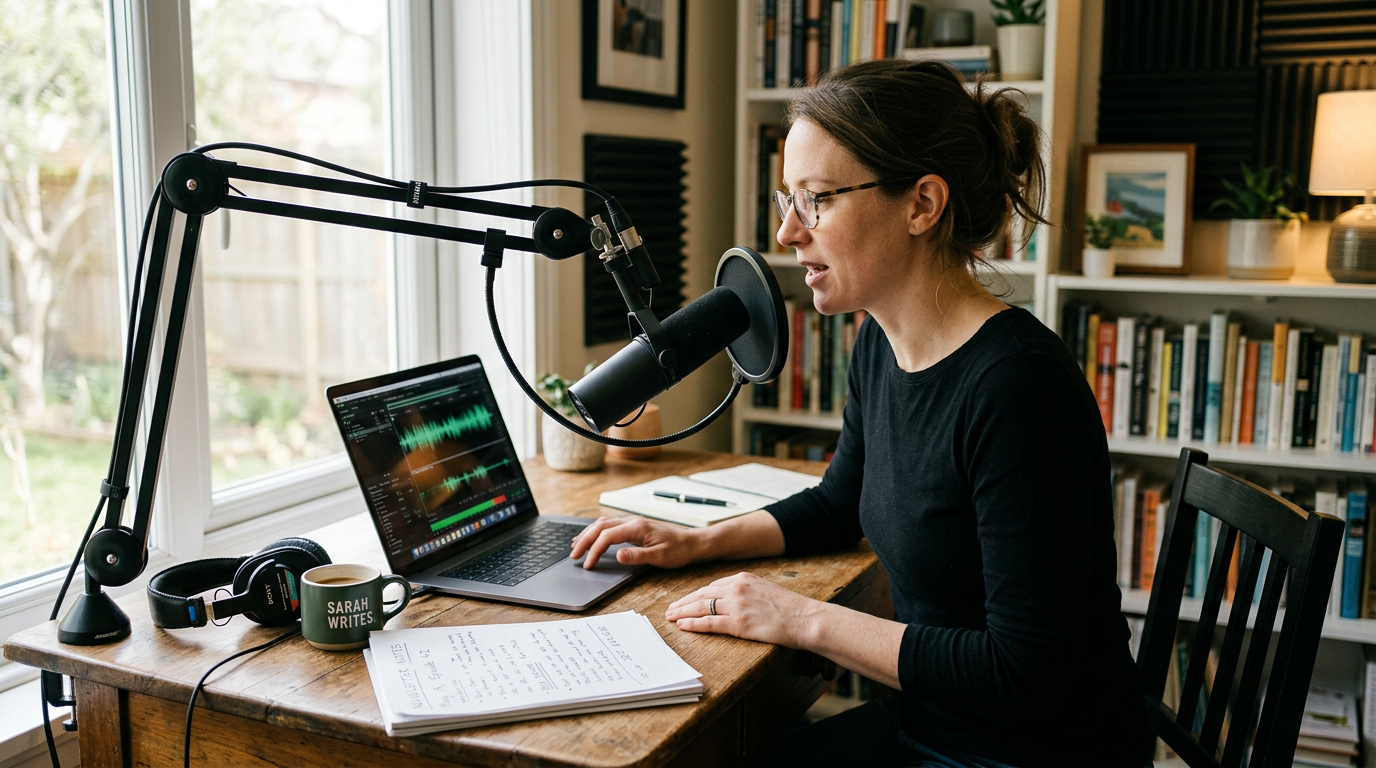
A Substack podcast works best as a paid niche product, not a passive-income shortcut. In 2026, your real take-home depends on audience quality, subscriber retention, and the unpaid hours you sink into scripting, editing, and promotion. If you already have readers, clients, or a sharp point of view, a Substack podcast can become solid recurring revenue. Starting cold, the effective hourly often looks bad for a long time.
What Is a Substack Podcast?
A Substack podcast is an audio product tied directly to a Substack publication. You publish free episodes, lock premium content behind paid subscriptions, and bundle audio with posts, email newsletters, chat, and community features — all inside one platform.
That matters because the business model is recurring subscriber revenue, not ad sales. You are asking people to pay each month for your analysis, reporting, interviews, or briefings.
For skilled operators, writers, researchers, and consultants, that can beat chasing downloads and cheap CPMs. The tradeoff is direct: your Substack podcast lives or dies on retention, not vanity listen counts.
Realistic Earnings for a Substack Podcast in 2026
The only math that matters: effective take-home after platform fees, payment processing, taxes, and time invested. Gross subscription revenue looks fine on screenshots. Your real hourly rate can look very different once the work is counted honestly.
These estimates use Substack's 10% platform fee plus Stripe processing fees, plus a rough 30% tax set-aside for federal, state, and self-employment taxes. That 30% is a blunt planning estimate, not tax advice. The IRS confirms that self-employment tax sits at 15.3%, and quarterly estimated payments are required under Form 1040-ES.
For context, the U.S. Bureau of Labor Statistics lists median pay for Writers and Authors at $35.78 per hour. Early-stage Substack podcast economics often trail that benchmark by a wide margin.
| Tier | Hourly take-home | Monthly take-home | Notes |
|---|---|---|---|
| Starter | $8/hr | $320/mo | Around 20 paid subscribers at roughly $8 per month, spending 7–8 hours a week on planning, recording, editing, publishing, and promotion. This is the most common outcome when a Substack podcast launches before the audience is ready. |
| Steady | $28/hr | $2,240/mo | Around 150 paying subscribers with churn under control and production held to 14–16 hours a week. At this level, a Substack podcast starts acting like a real side-income asset instead of an expensive habit. |
| Top | $72/hr | $8,640/mo | Roughly 500 subscribers at about $10 per month with an established workflow near 20 hours a week. This is a strong outcome, not the default. Public examples like Platformer and Lenny's Newsletter show the paid audio model works when niche authority is already built. |
These are creator-business numbers, not salary numbers. If your existing work already bills at $75–$150 an hour, a Substack podcast makes sense only if it also builds authority, drives inbound leads, or creates income less tied to any single client.
Who Should Start a Substack Podcast?
A Substack podcast fits people who already know something other professionals will pay to hear on a schedule. Think analysts, journalists, researchers, consultants, and operators with a narrow lane and a credible point of view.
Good fit: you already charge serious rates, can commit 4–8 hours a week for at least six months, and have a topic that helps listeners make better decisions or do their jobs more effectively.
Bad fit: you need cash this month, dislike recurring publishing commitments, or are starting from zero distribution. A Substack podcast is an asset play with a long runway — not fast revenue.
How to Start a Substack Podcast Without Wasting Six Months
- Validate the paid angle before you record anything. Launch a publication on Substack and publish a few free posts that test the promise. Be specific about who it is for, what problem it solves, and why audio is the right format for that audience.
- Choose one repeatable format people can describe in one sentence. Weekly market brief, operator teardown, member Q&A, private interview feed. If the concept takes a paragraph to explain, the positioning is too loose.
- Keep production lean from day one. A quality USB microphone and a lightweight editing workflow in Descript or Audacity is enough for most paid audio. Signal and clarity beat studio polish every time.
- Build the paywall page before building the episode backlog. Write a clear sales page, add a sample episode, and price the annual plan so the offer feels concrete. Model your minimum viable subscriber count using Substack's published fee structure before you commit time.
- Sell to warm trust first, not cold discovery. The first paying subscribers almost always come from your existing email list, LinkedIn network, current clients, speaking slots, or guest appearances on other podcasts. Organic discovery inside Substack is a bonus, not the acquisition plan.
- Track retention per production hour, not total downloads. If an episode eats six hours and moves nothing — no conversions, no churn reduction, no referrals — change the format or cut it entirely.
Hidden Costs and Tradeoffs of a Substack Podcast
Platform fees are the visible cost
Substack takes 10% of paid subscription revenue, and you also pay Stripe processing fees on top. Those combined fees are manageable and predictable. They are not the main problem most Substack podcast creators face.
Time is the bigger cost than fees
A one-hour episode can easily turn into 4–8 hours of total work once you count outlining, recording, editing, show notes, distribution, and promotion. That unpaid production time is the real margin killer for a Substack podcast.
If your consulting or fractional work already pays well, the opportunity cost is brutal. One extra client project can easily beat a full month of Substack podcast revenue at the starter tier.
Platform dependency is a real business risk
Substack is attractive because email, posts, paid subscriptions, and audio all live in one place. That convenience is genuine. So is the dependency it creates.
You can export your subscriber list, but migrating archives, member habits, and the full paid experience to another platform later is still a significant hassle. Starting a Substack podcast means accepting some platform lock-in upfront in exchange for a faster launch.
Taxes will punish sloppy cash management
Once your Substack podcast generates real money, estimated tax payments do not wait for April. For 2026, the IRS directs self-employed filers to Form 1040-ES for quarterly estimated payments, and self-employment tax remains 15.3%.
Set aside cash from your very first paid month. Skipping this step turns a promising recurring revenue story into a painful tax surprise. Our quarterly tax penalty avoidance guide explains how to estimate and set aside payments correctly.
Survivorship bias distorts public success stories
There is limited public data on average Substack podcast earnings across the full creator population. That means survivorship bias is everywhere. The visible winners are easy to find. The large struggling middle is not.
Use public success examples as proof the paid audio subscription model can work — not proof it will work for your specific situation without the same audience foundation.
Best Alternatives to a Substack Podcast
Ghost
Better if you want more control over site ownership, membership infrastructure, and branding — and you do not mind a more involved technical setup. Ghost charges a flat monthly fee instead of a revenue percentage, which favors higher-revenue publications.
Patreon
Better if your business model is community-first and the offer depends on layered perks, bonus audio content, and tiered membership benefits. Patreon's discovery ecosystem is also more developed for certain creator categories.
Direct client retainers
Better if your core expertise is already valuable to companies and your market rate is strong. Direct retainers carry less audience risk, more predictable cash flow, and no weekly publishing obligation — though they do carry client concentration risk that a Substack podcast can help offset over time.
Frequently Asked Questions About Starting a Substack Podcast
Can you host a podcast on Substack?
Yes. Substack lets you publish audio episodes inside a publication and offer free or paid podcast access to subscribers. Paid subscribers get a private RSS feed they can use in any podcast app. The key question is not whether you can host audio on Substack — it is whether enough people will pay to make the weekly time investment worthwhile.
How much does a Substack podcast cost to run?
The direct platform cost is Substack's 10% fee plus Stripe processing on paid subscriptions. There is no monthly hosting fee for the platform itself. The bigger cost is your own time — production hours matter far more than software spend for most Substack podcast creators.
Is a Substack podcast better than a regular podcast?
It depends on your revenue model. A Substack podcast is better if your goal is paid niche subscriptions and direct listener revenue. A traditional podcast is usually better if you want broad reach, sponsorship deals, or platform-agnostic distribution as your primary strategy.
How many subscribers do you need for a Substack podcast to make financial sense?
Enough to beat your opportunity cost. For most skilled professionals, that means the Substack podcast should either produce meaningful monthly take-home or actively support lead generation, authority building, or product sales. If it does neither after six consistent months, the format or positioning needs to change.
What is the biggest mistake people make when launching a Substack podcast?
Launching before the offer is clear. Weak positioning, no defined audience, and no distribution plan kill more Substack podcast projects than audio quality ever does. Validate the paid angle with free content first, then record.
Does Substack promote podcasts to new listeners?
Substack has a discovery feed and recommendation features, but organic platform discovery is a bonus, not a reliable acquisition channel for most new publications. Industry podcast listening trends show discovery tends to concentrate among already-established shows. The creators who grow fastest on Substack already bring an audience from outside the platform.
SHOULD: senior writers, analysts, and consultants with a sharp niche, an existing audience path, and a clear reason to build subscription income over time. A Substack podcast rewards patience and positioning.
SHOULD NOT: skilled professionals starting from zero audience, needing fast cash, or already selling direct work at high rates without wanting to add a weekly publishing system on top.
Gigs Money Tips
Financial Planning tips for Gig Economy Workers.