Uber Estimate Cost: How Fares Work Before You Book
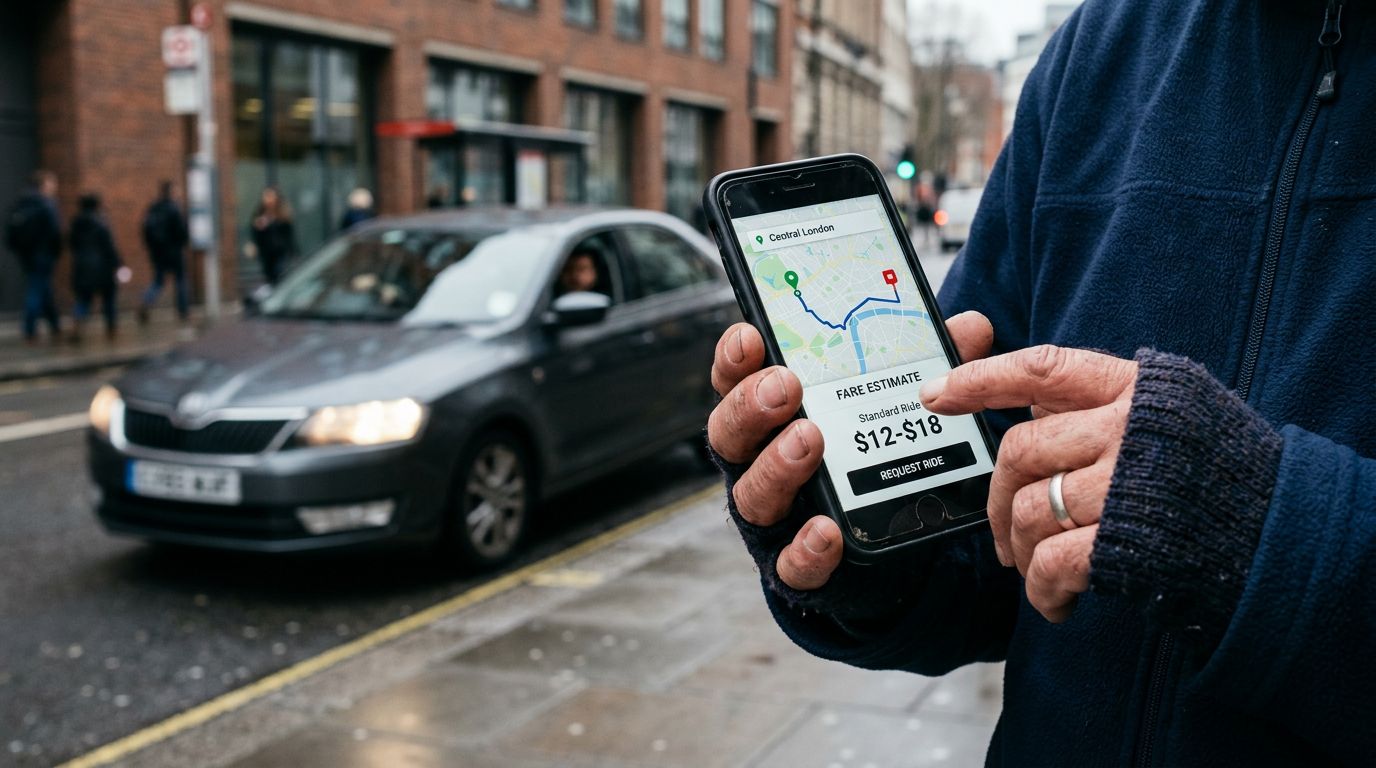
You open Uber, enter your destination, and want one answer fast: what will this ride cost? That is where an Uber estimate cost helps.
The estimate is the price Uber shows before you confirm the ride. In many cities, that number is close to what you will pay. But it is still an estimate, and the final fare can change if the trip changes.
Short answer: Uber builds your estimated fare from distance, time, ride type, local fees, and real-time demand. Traffic, tolls, added stops, route changes, and surge pricing can all push the total higher.
This guide breaks down how an Uber estimate cost works, why the number moves, and how to get a more accurate fare before you book.
What an Uber Estimate Cost Actually Means
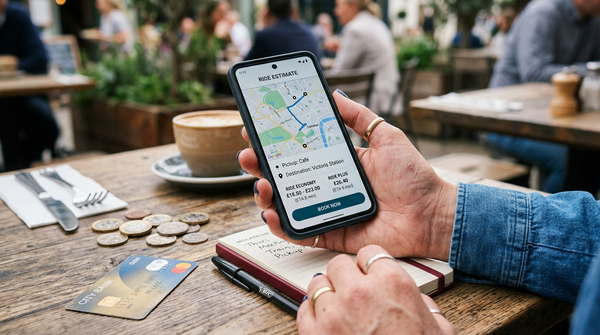
An Uber estimate cost is the projected fare shown before you request a ride. It is based on your pickup spot, destination, ride option, market pricing, and current demand.
In many markets, Uber uses upfront pricing. That means you usually see a set fare before the trip starts. Still, upfront does not always mean fully locked. If trip details change enough, the fare can change too.
What the Uber fare estimate usually includes
The price shown in the app may include:
- Base fare
- Estimated time and distance charges
- Booking or service fees
- Some local taxes or city charges
- Current demand conditions
It may not fully reflect tolls, airport surcharges, wait time, or major route changes. Those are the most common reasons your receipt ends up higher than the original quote.
Estimate vs. final fare: what riders miss
An Uber estimate cost is a planning tool, not a guaranteed price in every situation.
If your driver waits, you change the destination, add a stop, or hit heavier traffic, the final fare can move. Treat the estimate as your best current price, not a promise carved in stone.
How Uber Calculates Your Estimated Fare
Uber pricing is dynamic. The app updates fares in real time based on market conditions, which is why the same ride can cost one amount now and more ten minutes later.
Distance and travel time
Most fare estimates start with the basics: how far the trip is and how long it should take. A longer route usually costs more. A slower route can also raise the price because time is a meaningful part of many fare models.
This is why a short ride across a congested downtown area can sometimes cost more than a longer trip on clear roads.
Ride type selection
Your ride option matters. UberX is often the lowest standard-price option, while Comfort, XL, Black, or Reserve typically cost more.
If you are checking an Uber estimate cost, compare every available ride type before you tap confirm. The cheapest option is not always the first one your eye lands on.
Demand and surge pricing
When rider demand rises and driver supply drops, Uber may increase fares. That is surge pricing, and it is one of the biggest reasons Uber ride estimates change fast.
Surge is common during:
- Rush hour commutes
- Concerts and sports events
- Bad weather
- Bar close on weekends
- Busy airport pickup windows
Drivers sometimes use a destination filter strategy to position for busy areas, which can tighten supply and push prices up. The economics behind surge pricing are explained in this overview of surge pricing.
If demand spikes, your Uber estimate cost can jump within minutes.
Fees, tolls, and local charges
The fare is not just mileage plus minutes. Many trips also include fees set by Uber or required by the city, airport, or local regulations.
That can include booking fees, airport access charges, taxes, and tolls. A ride that looks cheap at first can get more expensive once extra charges apply.
Why Your Uber Estimate Cost Changes
If you have watched one price turn into another almost instantly, there is a reason. Uber updates fares as conditions shift before and during the trip.
You wait too long to book
Fare estimates refresh quickly. If you check the app, put the phone down, and come back later, the price may be higher because demand changed or fewer drivers are nearby.
If you are comparing options, check the Uber estimate cost again right before booking. An older estimate is not useful if the market has already moved.
Your pickup or drop-off location changes
Even a small location change can affect your fare estimate. A pickup on a busy street, inside an event zone, or at an airport can trigger different routing and fee rules.
The same goes for your destination. If the route adds time, distance, or tolls, the final fare can rise above the original estimate.
Traffic gets worse than expected
Heavy traffic can raise what you pay, especially in markets where time is a meaningful part of the fare. A route that should take 12 minutes can cost significantly more if it turns into a 25-minute crawl.
This is one reason your Uber fare estimate can be close one day and off the next, even on the same route.
You add stops or change the route mid-trip
Extra stops usually mean a higher fare. So does asking the driver to take a different route that adds miles or minutes to the trip.
If you want your final bill to stay close to the Uber estimate cost, keep the trip details as close to the original request as possible.
How to Get a More Accurate Uber Estimate Cost
You cannot control Uber's pricing system, but you can make the estimate more useful and reduce surprise charges at the end of your ride.
Check the app right before you leave
The most accurate Uber cost estimate is usually the one closest to booking time. Looking an hour early helps with rough planning, but it may not match the live fare when you are ready to go.
Compare every available ride option
Before booking, look at all available ride types. In some cases, the price gap between UberX and Comfort is small. In others, an alternative option may be significantly cheaper.
Do not assume the default option shown is the best value.
Adjust your pickup point strategically
Walking a short distance can sometimes lower your Uber estimate cost, especially near airports, hotels, stadiums, or streets with heavy pickup restrictions.
Do not do this if it creates a safety problem. Saving a few dollars is not worth a risky pickup situation.
Avoid peak demand windows when possible
If your timing is flexible, shifting your trip by 15 to 30 minutes may cut the fare noticeably. Waiting until event traffic clears or rush hour eases can make a real difference in your estimated Uber cost.
Use the estimate for budgeting, not certainty
Uber's estimate tool is most useful for planning and comparison. It helps you weigh rideshare against transit, taxis, or driving yourself.
Keep the right mindset: an estimate helps you budget, but it does not eliminate pricing risk entirely.
How to Lower What You Pay for Uber Rides
If you use rideshare regularly, trimming a few dollars from each trip adds up fast over a month. These habits take less than a minute each.
Check for credits and discounts before booking
Before you confirm, see whether you have:
- Promo codes in your account
- Credit card ride perks or cashback
- Employer commuter benefits
- Uber Cash or account credits
- App-based offers listed in your profile
These will not always be available, but they are worth checking whenever your budget is tight.
Compare Uber with other transportation options
Sometimes the best move is skipping rideshare entirely. Compare the Uber estimate cost with:
- Public transit routes
- Local taxi services
- Carpooling with others
- Walking part of the route
- Bike or scooter share options
Not every ride is worth the convenience fee.
Split the fare when it makes sense
If you are traveling with friends or coworkers, splitting the bill can make Uber far more affordable per person.
It sounds obvious, but it remains one of the easiest ways to cut your real cost without changing anything about the trip itself.
Be careful with airport rides
Airport fares often swing the most. Pickup rules, congestion zones, tolls, and surge pricing can all drive the total higher than your initial Uber estimate cost suggested.
If cost matters more than convenience, compare the estimated Uber cost with airport transit, a shuttle service, or an off-site pickup point if allowed and safe.
FAQ: Uber Estimate Cost
How accurate is an Uber estimate cost?
An Uber estimate cost is often close to the final fare, especially when Uber shows upfront pricing. But the final total can still change due to tolls, wait time, traffic, added stops, or route changes during the trip.
Why did my Uber fare cost more than the estimate?
Your fare may end up higher if the trip took longer than expected, included tolls, had extra stops, involved a changed destination, or ran into heavier traffic or driver wait time before pickup.
Can I lock in an Uber estimate cost before the ride?
Uber often shows an upfront fare before you confirm the ride. In many cases, that amount stays the same if the trip details do not change significantly. If they do change, the total can adjust accordingly.
Does surge pricing affect the Uber estimate cost?
Yes. Surge pricing can significantly increase your Uber estimate cost when more people request rides than nearby drivers can handle. The app will typically show a surge indicator before you confirm.
Is Uber pricing the same in every city?
No. Uber pricing varies by market. Local fees, taxes, regulations, available ride types, and demand patterns all affect your fare estimate from one city to the next.
How do I check an Uber estimate cost without booking?
Open the Uber app, enter your pickup and destination addresses, and browse the available ride options. The app shows estimated fares for each option before you confirm anything. No booking required to see the numbers.
Final Take on Uber Estimate Cost
An Uber estimate cost gives you a strong starting point, but it is not a perfect guarantee. The app shows you the best live price it can based on current trip details and market conditions at that moment.
If you want fewer surprises, check the fare right before booking, compare ride options, watch for surge pricing, and keep the route simple. Those habits take less than a minute and can save real money over time.
And if the price looks bad, be honest with yourself: sometimes the smart move is to wait, walk, or skip the ride. Not every convenience is worth the cost.
For more straightforward breakdowns on Uber, gig apps, and practical money decisions, explore the rest of Gig Money Tips.
Gigs Money Tips
Financial Planning tips for Gig Economy Workers.