Rent Equipment for Side Income: How to Start Smart
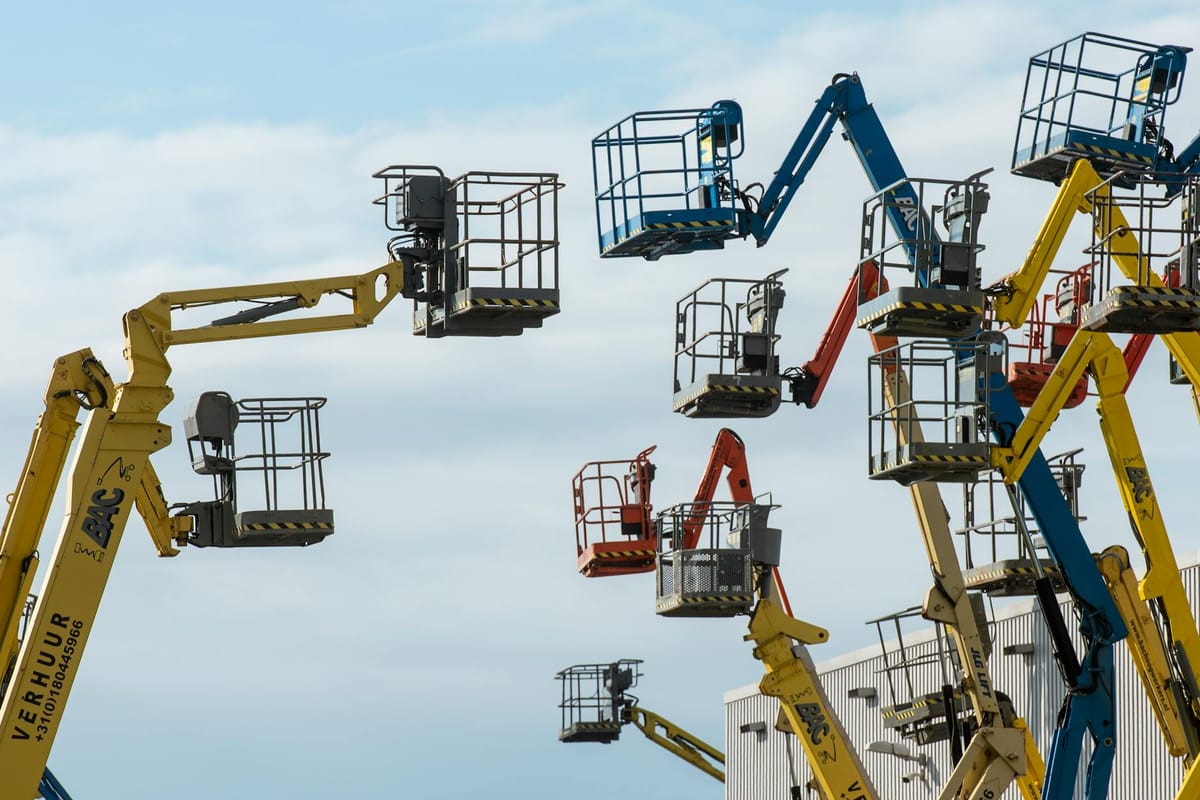
Got tools, gear, or machines sitting unused between jobs? You can rent equipment for side income and turn idle items into real extra cash. This works well with power tools, trailers, camera gear, party supplies, lawn equipment, and specialty items people need short-term but do not want to buy.
For gig workers and freelancers, equipment rental income adds revenue without taking on another fully active job. Your gear does part of the work. With the right pricing, screening, and handoff process, you can build a simple system that fits around delivery driving, freelancing, or a full-time schedule.
This guide explains how to rent equipment for side income, what gear tends to rent well, how to validate local demand, how to price rentals, and how to protect yourself from avoidable problems.
Why Renting Out Equipment Can Be a Strong Side Hustle
If you want income that is not tied only to hours worked, renting out equipment for extra money is worth a serious look. Instead of selling your time every day, you earn from assets you already own — or buy with clear demand in mind.
The model is simple: someone needs equipment for a day, weekend, or week, and you provide it at a rate that works for both of you. That makes this side hustle flexible, practical, and easy to fit into a busy schedule.
Why This Model Works for Gig Workers
Many gig workers already think in terms of asset use. You know a car can produce income. The same logic applies to other items you own.
When you rent equipment for side income, you control availability, set your own rules, and decide how hands-on you want to be. Some rentals are simple pickup-and-return jobs. Others include delivery, setup, or basic instructions for a higher fee.
Equipment Categories That Often Have Rental Demand
Not every item rents well. The best equipment helps people avoid buying something expensive for a one-time project or event. Here are the categories with the strongest peer-to-peer equipment rental demand:
- Power tools such as tile saws, nail guns, pressure washers, and paint sprayers
- Yard equipment like aerators, tillers, chainsaws, and stump grinders
- Trailers for hauling, moving, landscaping, or dump runs — useful if you already run a truck-based side hustle like a weekend side hustle with a truck
- Camera and audio gear for creators, podcasts, interviews, and events
- Party equipment like tables, chairs, tents, coolers, and speakers
- Outdoor gear such as kayaks, bikes, paddleboards, and camping kits
- Specialty equipment for cleaning, home projects, or light construction
The sweet spot is gear that costs a lot to buy, is easy to explain, and solves a short-term need.
What Equipment to Rent Out and How to Validate Demand
Before buying anything new, start with what you already own. The fastest way to rent equipment for side income is to use gear that is already paid for and sitting idle.
Start With a Simple Inventory
Walk through your garage, shed, closet, office, or storage area. List anything people might want for a day, weekend, or week. Include brand, model, age, condition, and replacement cost.
Then ask one useful question: Would someone rather rent this than buy it? If the answer is yes, it may be worth testing as a rental income asset.
Check Local Demand Before You List
Local demand matters more than general popularity. A kayak may do well in one city and poorly in another. A pressure washer may book more in suburban areas. Party rentals may do best in family-heavy markets.
To validate demand for your equipment rental side hustle, check:
- Local marketplace listings for similar rentals
- Neighborhood groups and community forums
- Search results for your city plus the equipment type
- Seasonality and weather patterns in your area
- Rates from local rental companies
Look for equipment with clear demand, reasonable competition, and room for profit after fees, wear, and your time.
Choose Equipment With Good Rental Economics
The best items to rent equipment for side income usually share a few traits:
- High replacement value compared with the daily rental rate
- Low maintenance needs and predictable wear
- Easy transport or simple delivery options
- Simple operation with low training needs
- Broad appeal across homeowners, contractors, creators, or event hosts
If you plan to buy gear specifically for tool rental income, start small. One proven item is better than a garage full of equipment that rarely books.
How to Price Equipment Rentals for Profit
Pricing is where many new owners make mistakes. Charge too little and you absorb all the risk for weak returns. Charge too much and the booking goes elsewhere.
Your rate needs to cover wear, maintenance, risk, admin time, and profit.
Use a Simple Pricing Framework
Start with these costs when setting your equipment rental rates:
- Purchase price or replacement cost
- Expected lifespan and wear
- Cleaning, fuel, and maintenance costs
- Insurance or protection costs
- Your time for messaging, handoff, pickup, and inspection
- Local competitor pricing
A practical setup is a daily rate, weekend rate, and weekly rate. This keeps pricing easy to understand and encourages longer bookings.
Add Fees Without Creating Friction
If you offer delivery, setup, accessories, or after-hours pickup, price those separately. That keeps your base rate competitive while increasing revenue per rental.
Common add-on fees include:
- Delivery and pickup
- Late return fees
- Cleaning fees for unusually dirty returns
- Accessory bundles
- Fuel replacement when relevant
Clear pricing builds trust and reduces disputes. When customers know the full cost upfront, they are more likely to book and less likely to argue later.
Track Net Profit, Not Just Bookings
When you rent equipment for side income, revenue alone can mislead you. Track repair costs, replacement parts, platform fees, mileage, and time spent coordinating each rental.
If an item rents often but leaves little profit, adjust the rate, remove costly extras, or replace it with equipment that performs better.
How to Protect Yourself From Damage, Theft, and Bad Bookings
Risk management is what separates a stressful side hustle from a stable one. You do not need a complex system, but you do need a consistent one.
Create a Repeatable Rental Process
Every booking should follow the same steps. A repeatable process protects your equipment and makes the customer experience smoother.
Your equipment rental checklist might include:
- Inquiry and equipment details
- ID verification when appropriate
- Signed rental agreement
- Payment and any deposit collection
- Photos of item condition before handoff
- Basic use instructions and safety notes
- Return time confirmation
- Post-return inspection and photos
Photos are one of your best safeguards. Take clear, time-stamped photos before and after every rental.
Use a Simple Rental Agreement
A basic agreement should spell out the rental period, rates, late fees, damage responsibility, prohibited uses, and return condition. If the equipment has safety risks, include operating instructions and clear warnings.
If you plan to rent equipment for side income regularly, consider having a local attorney review your agreement and business setup. That small step can help you avoid expensive mistakes.
Review Insurance and Business Setup
Insurance needs vary by the type of equipment and how often you rent it. Personal policies may not cover business use, so confirm coverage with your insurer before listing anything. For an overview of small-business insurance options and common coverages, see the SBA's guide to business insurance.
You may also want a separate bank account for rental income and expenses. As bookings grow, it may make sense to explore an LLC or another business structure based on local laws and tax advice.
Protection is part of profitability. One bad rental can erase months of progress if you skip the basics.
How to Market Your Equipment Rental Side Hustle
You do not need a big brand to start. In most local markets, clear listings, fast replies, and reliable service are enough to win early bookings.
Write Listings That Answer Questions Fast
Your listing should explain what the equipment is, who it is for, what is included, how pricing works, and how pickup or delivery happens. Use clean photos from multiple angles in good light.
Good listings reduce back-and-forth and help customers feel ready to book your local equipment rental immediately.
Compete on Convenience, Not Just Price
Convenience can matter more than being the cheapest option. If you offer flexible pickup windows, same-day availability, or delivery, you may stand out from larger competitors.
When people rent equipment for side income from a local owner, they often value speed, flexibility, and personal service. Use that advantage.
Turn One Booking Into Repeat Business
Repeat customers make this side hustle easier and more predictable. Contractors, event planners, photographers, homeowners, and property managers may need the same gear again.
After a smooth rental, ask for a review or referral. Keep a simple customer list with notes on what they rented and when. That helps you follow up before busy seasons.
Scale Based on Proof
Once you know what rents well, reinvest in similar items or useful add-ons. If tables book often, chairs and linens may increase each order. If a pressure washer performs well, hoses and surface cleaners may do the same.
Scale from booking history, not guesswork. Let real demand tell you what to buy next.
FAQ: Renting Equipment for Extra Money
What is the best equipment to rent out for side income?
The best equipment is usually expensive to buy, useful for short-term projects, and easy to transport or explain. Common examples include trailers, pressure washers, party supplies, power tools, and camera gear. These items solve a clear short-term need without requiring buyers to commit to full ownership.
How much can you make when you rent equipment for side income?
Income depends on the item, your pricing, local demand, and how often it books. Some people earn occasional extra cash, while others build a steady monthly passive equipment income stream with several reliable rental items. In 2026, peer-to-peer rental platforms have made it easier than ever to reach local customers quickly.
Do you need insurance to rent out equipment?
You may. Coverage depends on what you rent and how you operate. Personal insurance may not fully cover business activity, so check with your insurer before accepting bookings. Some equipment rental platforms offer built-in protection, but always confirm the details.
How do you price equipment rentals?
Price rentals by factoring in replacement cost, maintenance, wear, your time, and local competition. Most owners use daily, weekend, and weekly rates, then charge separately for delivery or add-ons. Research what local rental companies charge to anchor your pricing.
Is renting out equipment passive income?
It is usually better described as semi-passive income. You still need to manage listings, handoffs, inspections, and maintenance. Over time, systems and repeat customers can significantly reduce the active work involved.
Where can you list equipment for rent?
You can list on peer-to-peer platforms, local Facebook Marketplace, Craigslist, neighborhood apps, and your own simple website. Specialty platforms exist for camera gear, outdoor equipment, and party rentals. Starting with free local listings keeps overhead low while you test demand.
Final Thoughts
If you want to rent equipment for side income, start with one item you already own, check local rates, and build a simple process that protects your time and your gear. You do not need a warehouse or a large budget to begin.
You need a useful item, a clear listing, smart pricing, and solid boundaries. That is enough to test the idea and see whether it fits your market.
For gig workers, renting out gear for extra cash is a practical way to diversify income and rely less on constant active work. Pick one item this week, research local rental demand, and run the numbers. A small test can show you whether this side hustle deserves a bigger place in your income plan.
Gigs Money Tips
Financial Planning tips for Gig Economy Workers.